
The film industry needs to accept that today’s AI systems are already powerful enough to displace film professionals. “That’s an AI? Good Lord we’re screwed,” said Emily Blunt of the AI actress Tilly Norwood. But while media focused on Norwood’s acting, few highlighted that if the actor is AI, so is the camera, sound, art, costume, make up, editing, colorists, supporting cast… And if those jobs are replaceable, you can bet screenwriters will be too.
AI models have already demonstrated prowess in written voice, style, intellect, and even humour – and though they are not yet producing professional screenplays, AI systems are widely deployed to create development documents that were previously the work of the screenwriter – treatment and loglines, for example.
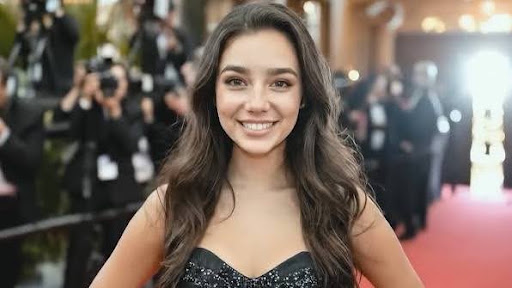
Talent at a specific task is not everything, however. Ask Tilly – she was frozen out very quickly. There are some important forces protecting screenwriting, acting, and filmmaking as we move into the AI age – and it is vital that you, the next generation of filmmakers, know about them.
The future of screenwriting is a fortress
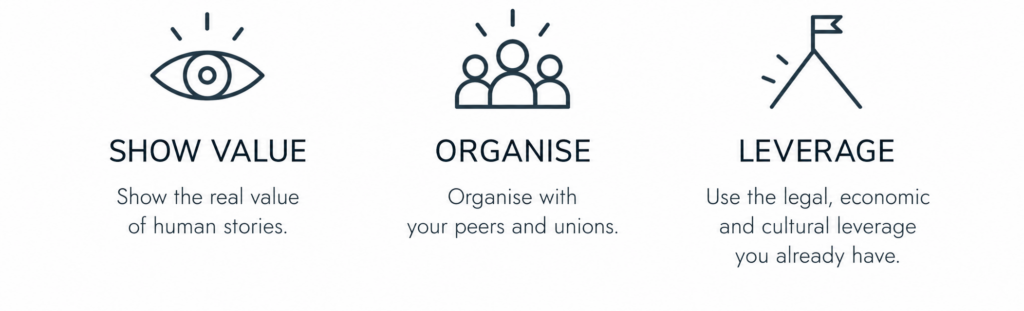
‘If AI can do a job nearly as well as you but at a lower cost – your job is under threat’. This is the assumption shared by most predictionists. What it misses is that we humans can decide not to allow AI to take our jobs at all – as long as we show value, organise really well, and use whatever leverage we have.
The incredible news is that thanks to Writers’ Guilds and copyright laws, the fight to protect the screenwriting vocation from AI is so far already won.

Unlike most other industries, filmmaking, and especially screenwriting, is heavily guardrailed by unions and copyright laws. Copyright laws around the world are built around a basic principle of human authorship, and there is no sign of this position weakening as AI creators push for authorship rights themselves.
It is very important that only a human can be the author of a work – because then whatever AI writes is unprotected by copyright. Remember – copyright means ownership: it is the commercial foundation of every script, book or play. And since the fee for a human screenwriter is only 1 or 2% of the overall cost of a film or series – it would be dumb for a producer to instead spend millions
producing their movie or show from an AI script they did not own. Why try save a buck on an AI screenplay when you lose all copyright protection? You might be mid shoot, and a taxi driver who found the AI shooting script in the back of his cab goes off to perform a one-man adaptation of your whole film in their bedroom. Your entertainment lawyer could only shrug.
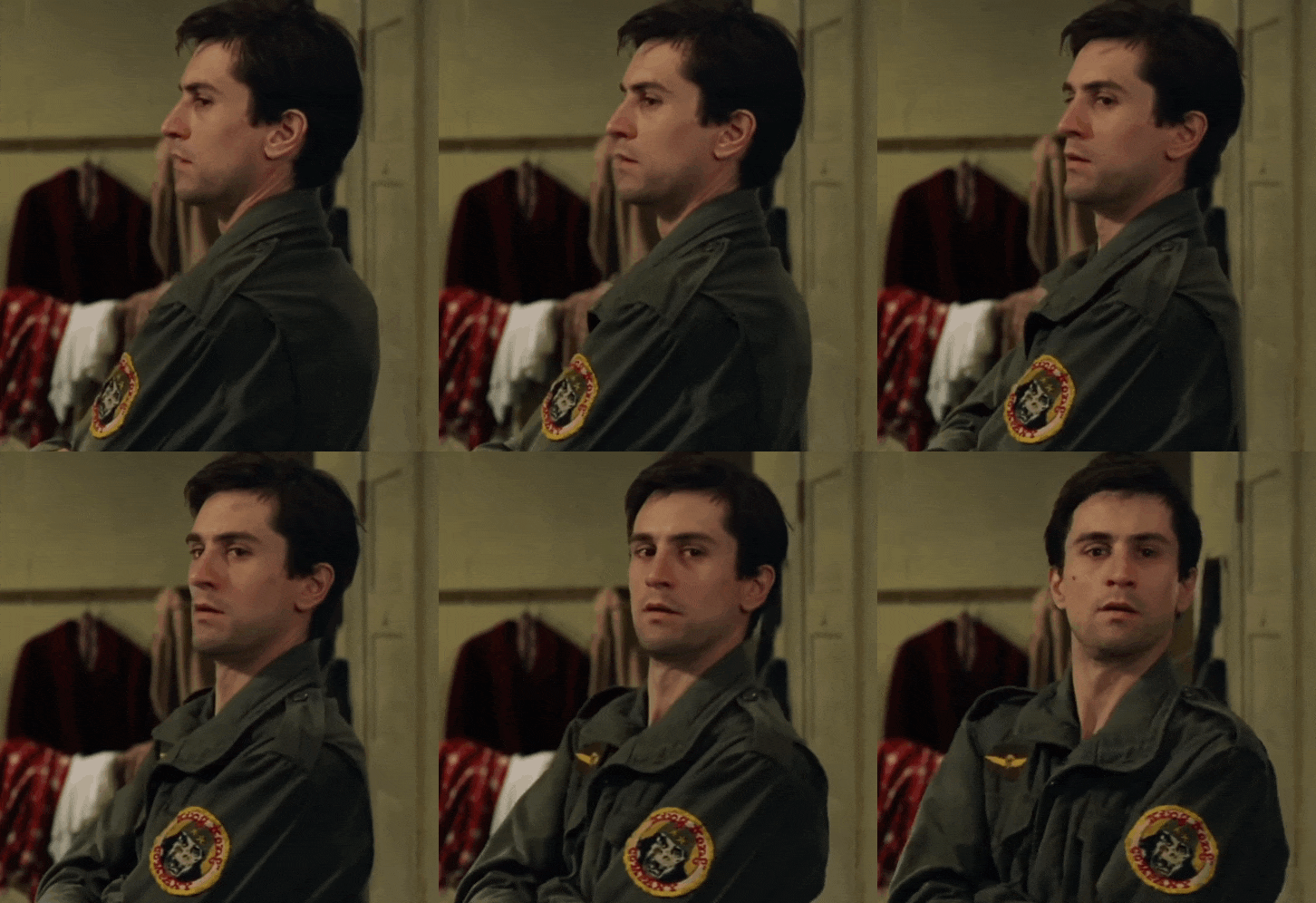
This is bad news for Travis Bickle’s Star Wars spin offs but good news for new screenwriters worried about AI taking their jobs.
The Writers’ Guild of America knew some producers would seek loopholes. The most predictable would be to use AI to write the first draft of a screenplay, then hire humans to rewrite and polish for a small fraction of the development fee. To stop this, the WGA reinforced existing copyright laws with new protections to ensure producers gain as little as possible replacing human writers. The screen actors’ guild, SAG, went on to build their own fortifications around human performances, which in turn helps protect all other filmmakers, whose skills are needed to put the actors on screen. As of 2026, it is very difficult for unscrupulous producers to use AI for key creative work in studio-level films or TV.
SO THAT’S IT?
SCREENWRITING IS AI PROOF?
Not exactly. America is not the only country who makes films and TV – there is still a lot of work to be done. Writers’ Guilds around the world are connected, but the influence each has over its country’s industry varies. Also, the copyright laws in some countries need to be clearer to effectively safeguard human authorship.
This means producers outside the US, UK and other well-represented countries might still turn to AI instead of human screenwriters and filmmakers.
Perhaps it is not what film can do for you but what you can do for film?
Thanks to the unionisation of the film industry and to copyright law, the future of screenwriting as a profession is much better defended than other industries. Film acting is also protected – actors have guilds fighting for them too, and when we have real actors, by proxy we have real filmmakers getting paid to put those actors on screen. The unionised film industry is reaping the rewards of a history of collective effort. If you are from a country where screenwriting or acting is not protected by a guild, instead of giving up on your dream of a career in film, maybe help your nation’s guilds grow strong enough to protect film jobs instead. There are committees in other countries’ guilds who are ready and waiting to help.
Once everyone recognises the importance of human-made film and defends it, not only screenwriting but all of filmmaking can stay in the hands of human professionals no matter how good AI tools become.