
A practical guide to the intangible – how to choose the right aspect ratio for your film. The aspect ratio you choose for the shooting and screening of your short or feature film can affect the way your film feels, and how it lands emotionally with the viewer. Aspect ratio can also have important implications on film screening and distribution – in a world where so many films are consumed on a 16:9 screen.
QUICK GUIDE TO ASPECT RATIO
WHAT IT IS
Aspect ratio is the width-to-height measurement of your film’s screen. Cameras record the full sensor area, then the image is cropped to your chosen ratio in post-production.
THREE MAIN OPTIONS
4:3 (The Box): Square-ish, creates intimacy/claustrophobia, evokes nostalgia
1.85:1 (The Standard): Most common theatrical format, versatile and neutral
2.39:1 (The Epic): Ultra-wide, emphasizes landscapes and grandeur
KEY WARNINGS
- Don’t choose based on “looking cinematic” alone
- Consider your distribution platform (16:9 fits laptop screens better)
- Ultra-wide ratios in student films often signal trying too hard
- 4:3 can read as pretentious without clear purpose
BOTTOM LINE
Make the choice early. Choose the ratio that serves your story.
WHAT IS AN ASPECT RATIO? from shooting to screen
Aspect ratio is a measurement of the width versus the height of the screen of a film. It is a decision the director makes in consultation with their DP, picking from an ever growing list of recognised options. When it is time for the cameras to roll, the (digital) camera department then translates that creative decision into a technical one:
Director: “We are shooting 2.39:1.” The camera department then sets the recording frame to 4096 x 1716 pixels. They might not even need to look at this table.
Modern day cameras (like Arri or RED) record the full, available sensor area, which is usually a tall and wide rectangle (e.g. 4:3 or 1.44:1). This file is called Open Gate or Full Frame
It is during the post production workflow that the full image is cropped down and the chosen aspect ratio is created. Modern day streaming sites respect the director’s vision and do what they can to preserve the original aspect ratio.
Choose the aspect ratio that serves your story.
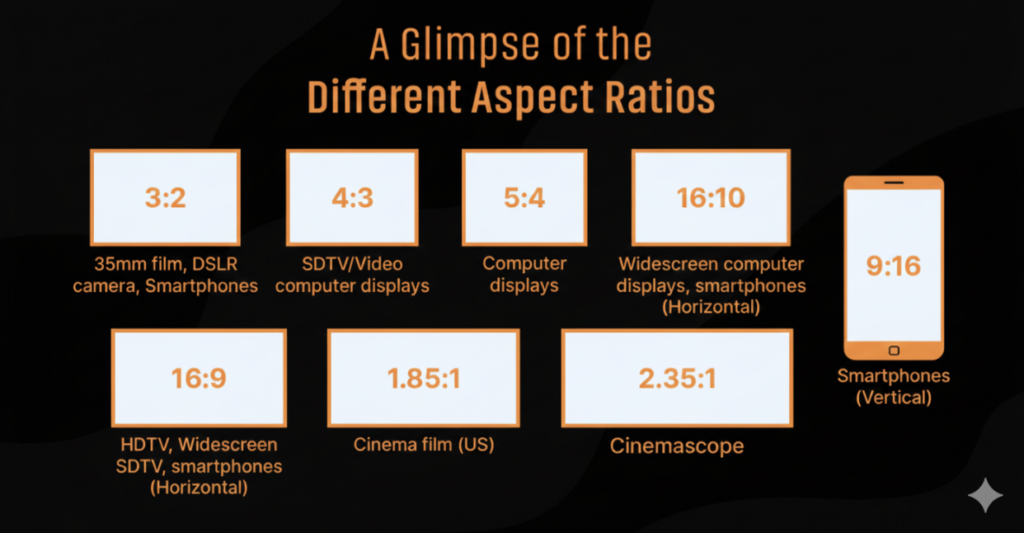
Although there are many known aspect ratios, the majority of which you can see in this chart, filmmakers tend to make their creative choice within three main standards:
THE BOX: 4:3 (1.33:1-1.37:1)
WHAT IT IS
- Also called Academy ratio (1.37:1) or fullscreen format
- The shape of standard television before widescreen became canon
- Nearly square frame, giving a boxy, confined visual space
- Was the dominant cinema format from the silent era to the 1950s
WHY USE IT
- Creates intimacy and claustrophobia – boxes characters in
- Emphasizes vertical space – useful for showing tall architecture or full-body shots
- Evokes nostalgia or historical period settings
- Forces audience to focus on central subjects rather than horizontal landscapes
- Stands out in modern cinema – can make a bold artistic statement
EXAMPLES
- American Honey (Andrea Arnold, 2016) – a “very respectful frame”
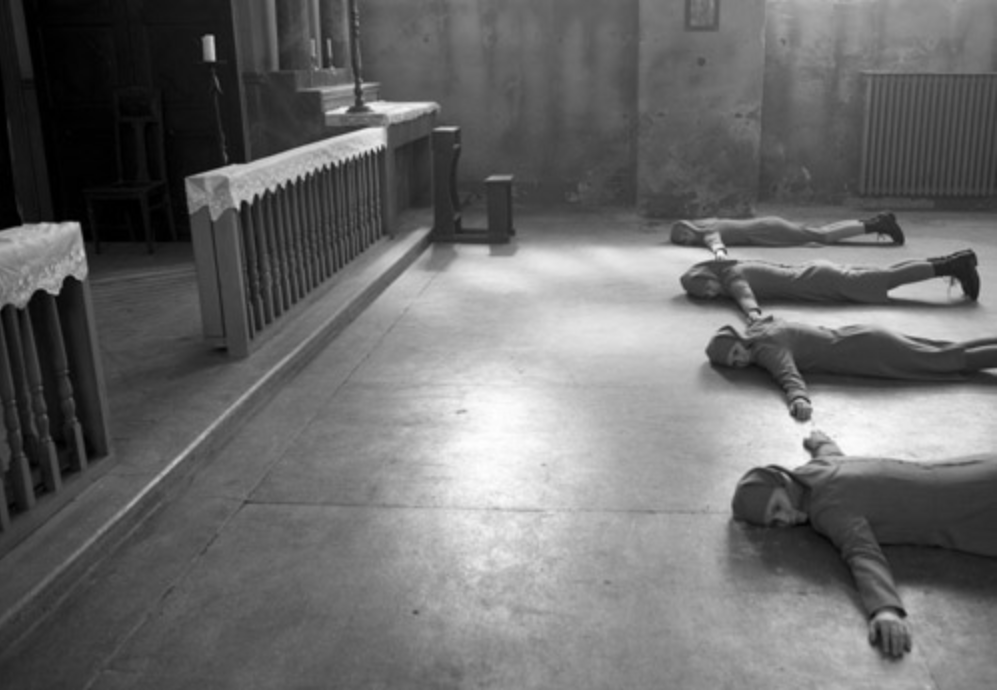
- Ida (Paweł Pawlikowski, 2013) – creates spiritual and psychological confinement
- Meek’s Cutoff (Kelly Reichardt, 2010) – represents social containment of womenThe Grand Budapest Hotel (Wes Anderson, 2014) – uses multiple ratios including 4:3 for the 1930s sequences
- Persona (Ingmar Bergman, 1966)
- Classic films pre 1950, like Citizen Kane (1941) and The Wizard of Oz (1939)
THE STANDARD: 1.85:1
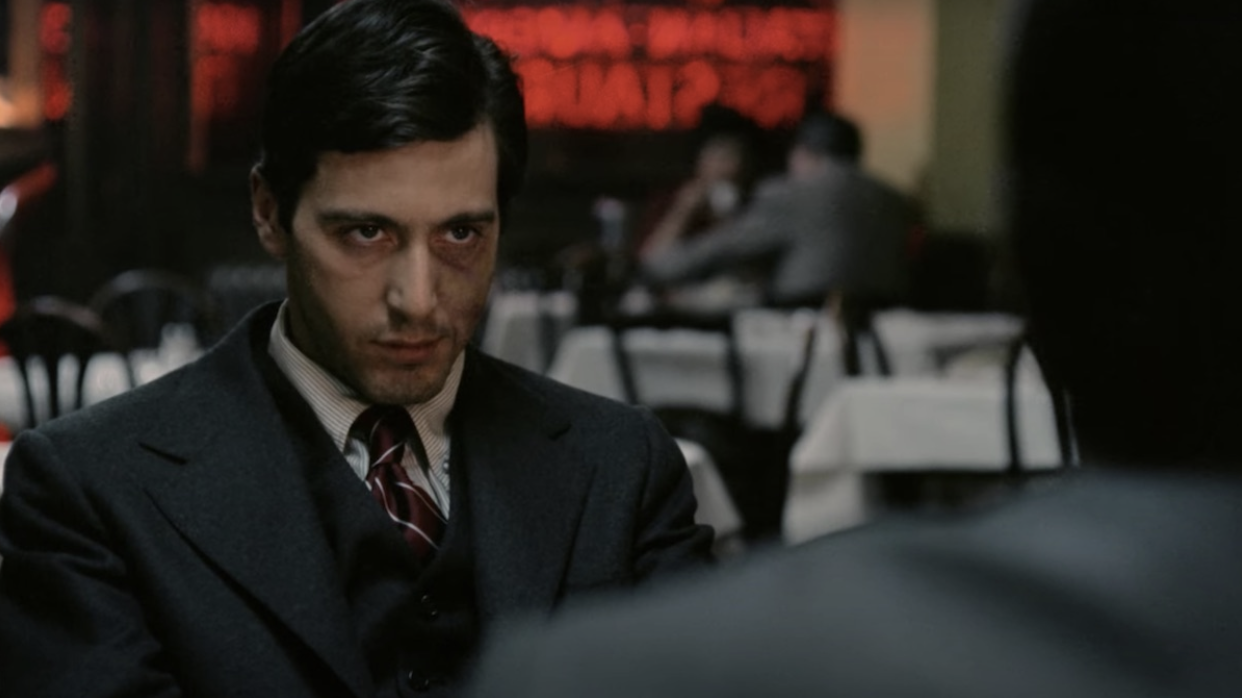
WHAT IT IS
- The most common theatrical widescreen format
- Slightly wider than the 16:9 (1.78:1) used for HDTV
- Balanced between vertical and horizontal information
- Sometimes called “American widescreen” or flat format
WHY USE IT
- Versatile for most storytelling needs – neither too wide nor too tall
- Natural for dialogue scenes with two or three characters
- Feels contemporary and neutral – doesn’t draw attention to itself
- Easy to compose for – provides breathing room without excess horizontal space
- Translates well to home viewing and streaming platforms
EXAMPLES
Most contemporary Hollywood films use this ratio
- Saving Private Ryan (Steven Spielberg, 1998)
- The Godfather (Francis Ford Coppola, 1972)
- Joker (Todd Phillips, 2019)
- Ringu (Hideo Nakata, 1998)
- Many independent and festival films default to this format
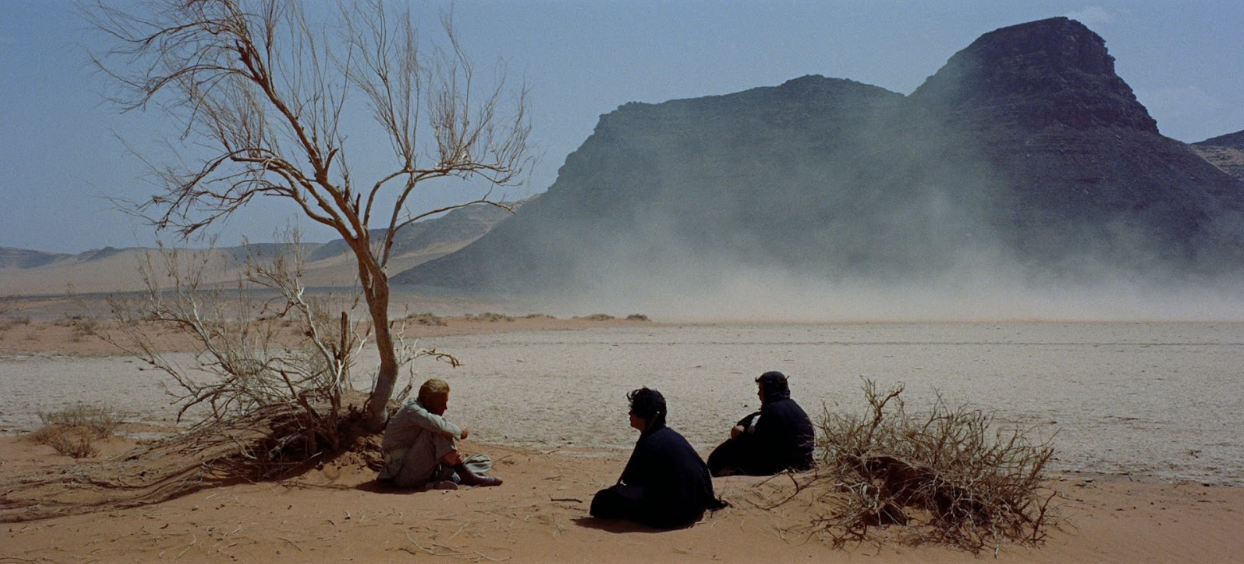
THE EPIC: 2.39:1
WHAT IT IS
- Ultra-widescreen format, also called anamorphic or scope
- Originally called CinemaScope when introduced in the 1950s
- Nearly 2.4 times as wide as it is tall
- Requires anamorphic lenses or cropping from wider sensors
WHY USE IT
- Emphasizes horizontal space – perfect for landscapes and action
- Creates cinematic grandeur and visual spectacle
- Allows multiple characters in frame while maintaining detail
- Strong compositional tool – can isolate subjects in vast spaces
- Immediately signals “big movie” or prestige filmmaking
EXAMPLES
- Lawrence of Arabia (David Lean, 1962) – desert vistas (2.20:1)
- There Will Be Blood (Paul Thomas Anderson, 2007)
- Gravity (Alfonso Cuarón, 2013)
- Mad Max: Fury Road (George Miller, 2015) – vehicular action
- Moonlight (Barry Jenkins, 2016) – also can be used for ‘small’ stories
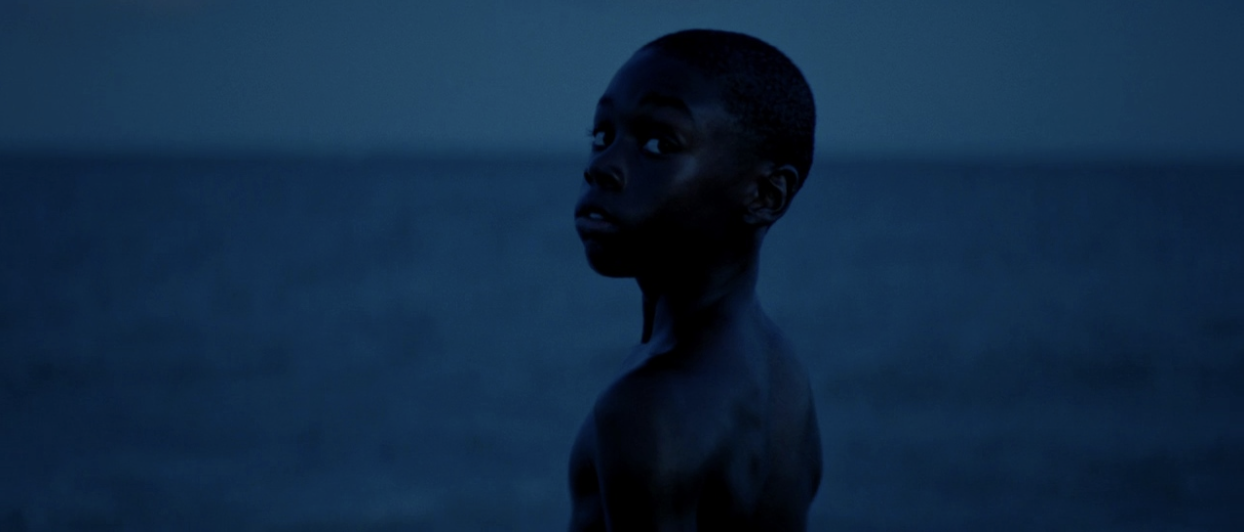
WHAT CAN GO WRONG
While aspect ratio is a powerful creative tool, novice filmmakers can overthink this choice. Consider the following:
Not recognising how aspect ratio affects composition. It is easy to think in terms of just breadth and height of capture when one needs to be thinking in terms of how frame shape affects composition.
Not thinking about distribution. If you’re shooting content that is destined to be watched on laptops these “cinematic” ratios will work against you. The 16:9 ratio (1.78:1) will fit a laptop screen.
Anamorphic fetishism. The 2.39:1 ratio has appear a lot in student films trying to appear professional. The choice can actually limit your compositions if used without purpose.
Strike a 4:3 pose. While effective in the right hands, using 4:3 today can read as pretentious rather than purposeful. Make sure you have a strong reason beyond “it looks retro.”
BOTTOM LINE
Choosing a film aspect ratio is one of the first creative decision a director makes when planning the look of a film. It is not an after thought or an aesthetic flourish. The best aspect ratio is often the one that serves your story and characters, not the one that makes a visual statement.
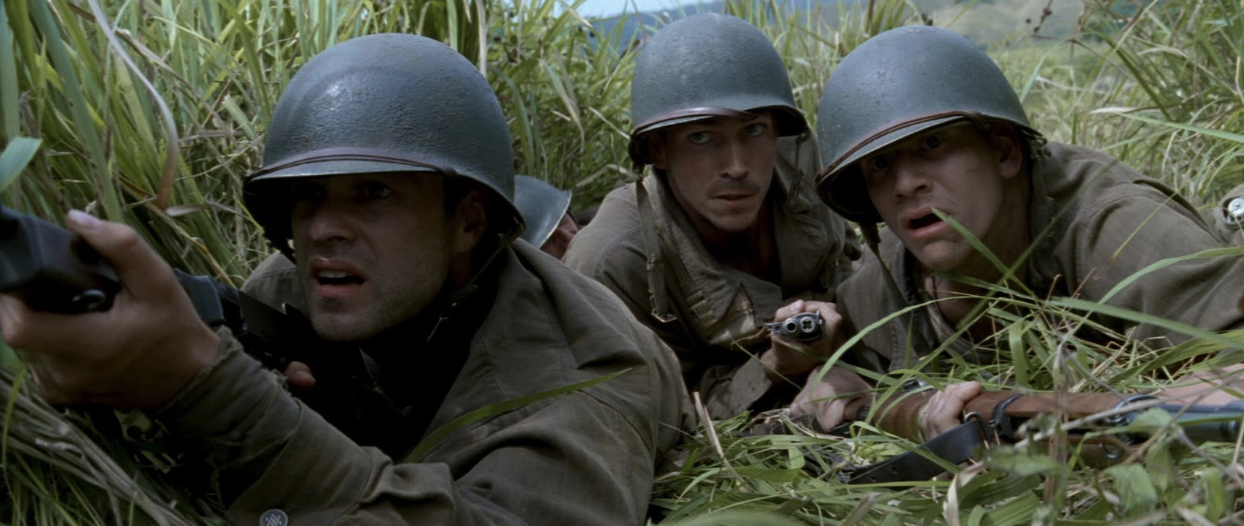
Learning exercise
- Watch four of the films referenced above based on their differing aspect ratios, paying attention to the effect each has on composition and feeling. It is better if it is not your first watch of the film.
- Shoot a 90 second long take open gate with an Arri Alexa or similar. Make sure the take includes different types of frame size. Then export into three versions: 4:3, 1.85:1, and 2.39:1. Compare – especially with regard to composition and feeling.
LEARN MORE