
What is a high or low angle camera in film, and when should you use it? An overview of film camera angles, including dutch angle, birds eye and worm’s eye.
The Focus of This Module
Camera angle refers to pointing the camera up, down, or rotated slightly. Different angles shape power dynamics, emotion, and how the audience reads space.
- Low angle: Camera below the subject, tilted up. Conveys power, confidence, or looming conflict.
- High angle: Camera above the subject, tilted down. Conveys weakness, danger, or helps map out scene geography.
- Dutch angle: Camera rolled to one side. Conveys chaos, tension, or stylised noir energy.
- Eye level: Neutral, stable, and the baseline that gives other angles impact.
- Bird’s-eye: Extreme top-down. Conveys detachment, insignificance, or a “higher” POV.
- Worm’s-eye: Extreme low angle. Conveys size, scale, or intimidation.
Pitfalls:
Overusing angles weakens them. Don’t rely on angles to hide bad sets. Extreme lows distort faces and annoy actors.
Bottom line:
Angles are storytelling tools before they’re stylistic flourishes. Know what emotional or spatial purpose each shot serves.
Camera angle is the cinematography term for setting the camera upwards, downwards, or rotated slightly to one side. For example, a high angle shot means the camera is higher than the subject and pointing downwards at them. When shooting a scene, a director and DP need to plan camera angle in addition to other fundamentals like camera height (how high from the ground), shot size (e.g close up or wide shot) and camera movement (e.g. tracking or panning).
LOW ANGLE
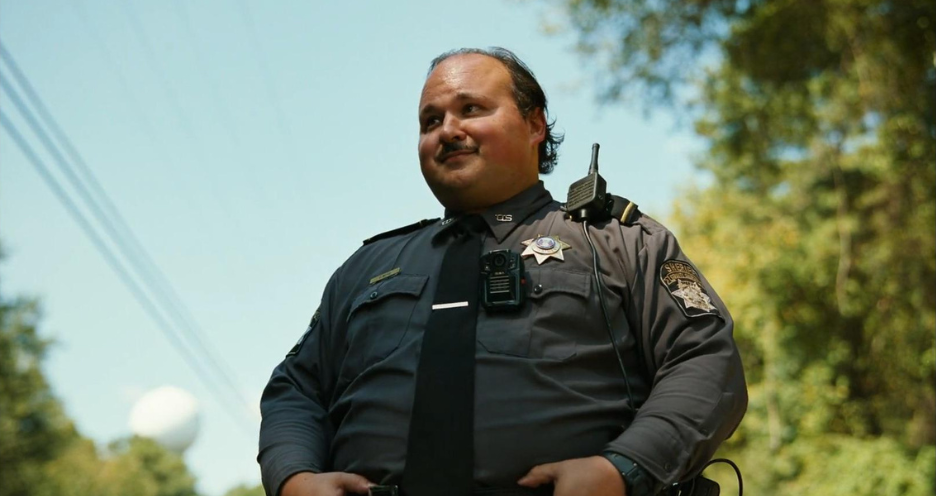
Low angle shot is often used to make the subject appear powerful, dominant, or intimidating, as the camera looks up at them from below.
WHAT IT IS…
Position the camera lower than the subject’s face and tilt it upwards at them anywhere between 5 and 45 degrees – or even up to 80 degrees if doing a ‘trunk shot’ (the POV from a victim in the trunk of a car).
WHY USE IT…
To convey
1) Power: the low angle shot imbues a character with power, and is the go-to shot for antagonists as they intimidate or heroes after their victory.
2) Confidence: When a character is in their element, a low angle shot can capture that assuredness.
3) Conflict: If two characters are facing each other both in low angle shots, the audience will get the feeling of contested power and an impending clash.
High ANGLE
High angle shot is often used to make the subject appear smaller, weaker, or more vulnerable, as the camera looks down on them from above.
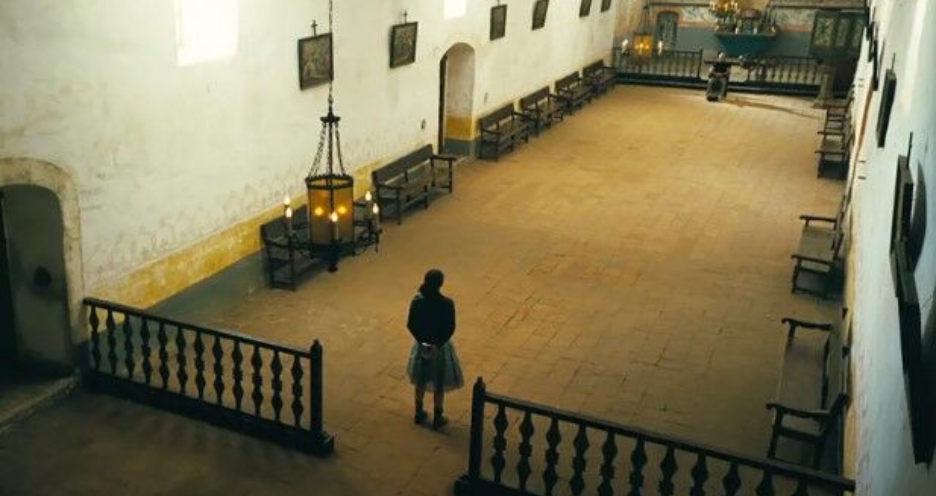
ONE BATTLE AFTER ANOTHER (2025)
WHAT IT IS…
Position the camera higher than the subject, tilting it downwards at them anywhere between 5 and 85 degrees. High angle shots are often wide shots.
WHY USE IT…
To convey
1) weakness: in closer shots, the high angle can exude weakness, inferiority, or defeat, especially when cut with low angle reverse shots of an antagonist.
2) trouble: in wider shots, the high angle diminishes a character within the setting, making them seem at the mercy of their situation.
3) geography: the high angle can help establish the space of a scene, which then helps the audience to orientate themselves in the action to follow.
DUTCH ANGLE / CANTED ANGLE
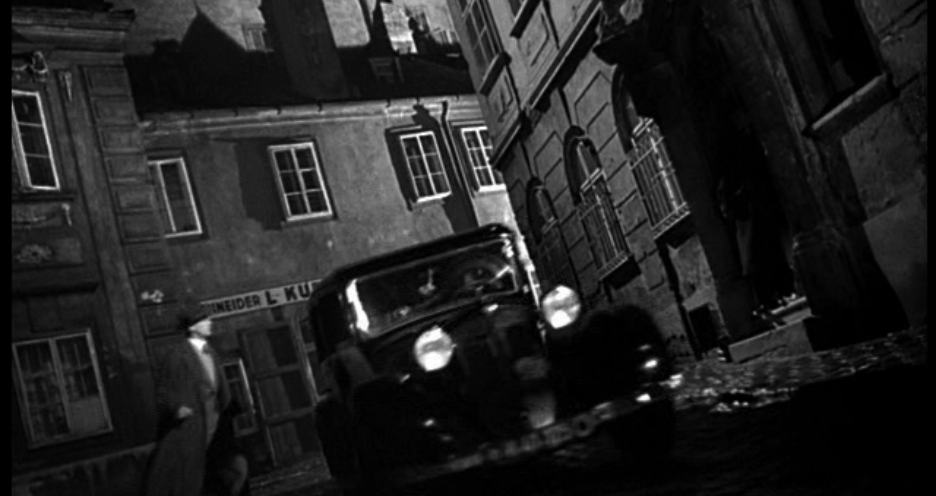
Dutch angle is often used to create a sense of unease, tension, or disorientation by tilting the camera so the horizon is not level.
WHAT IT IS…
Position the camera at a rotated angle to the left or right, anywhere between 10 and 45 degrees. Canted angle is most commonly used for medium shots or close ups.
WHY USE IT…
To convey
1) Chaos: whether from stress, insanity or narcotics, the Dutch angle can sow a sense of disorder and confusion in the viewer.
2) Tension: even if the characters are well-trained professionals, a canted angle shows the situation is on a knife-edge.
3) Freedom: the Dutch angle can also give the viewer the feeling of escape from rigid norms.
4) Noir: Dutch angle is a hallmark of the noir genre. “No man appears heroic in the Dutch angle.”
EYE LEVEL
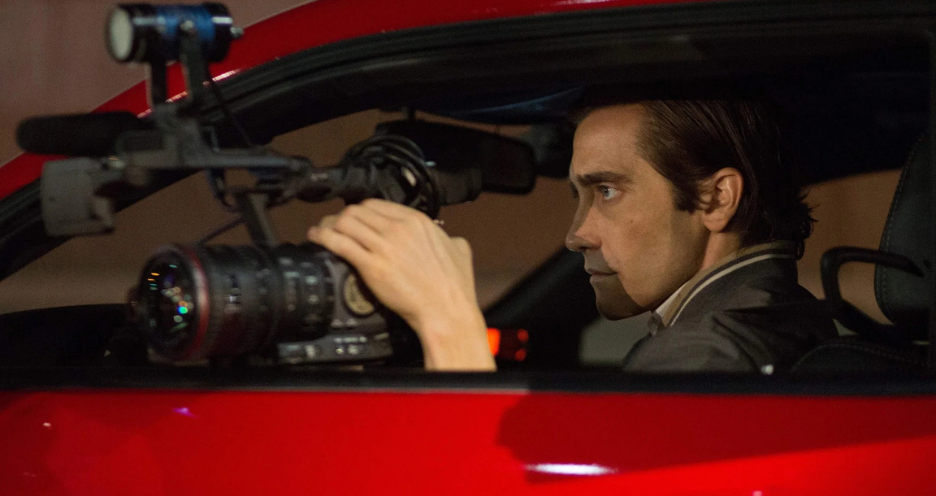
Eye level shot is often used to create a neutral and natural perspective, making the audience feel equal to the subject without emotional bias.
WHAT IT IS…
The standard position of a camera is horizontally level with your character’s eyes. This is your compositional reference point.
WHY USE IT…
To convey stability: the regular, horizontal eye level shot can give the feeling that all is well, or at least a regular everyday.
As a control: To give greater emotional impact to other angled shots.
BIRD’S EYE VIEW
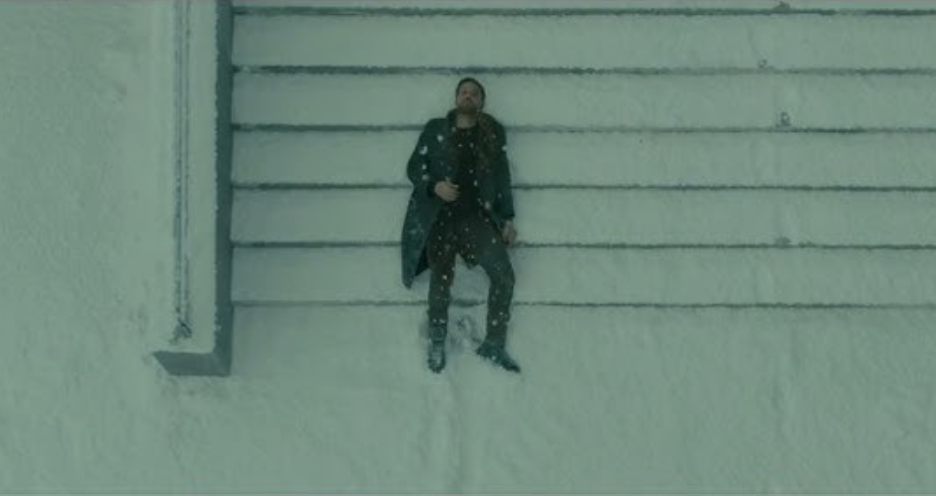
Bird’s eye view is often used to show the full layout of a scene from directly above, emphasizing patterns, geography, or the relationship between elements.
WHAT IT IS…
The camera is positioned vertically looking down, often from an extreme wide shot.
WHY USE IT…
To convey
1) Alternative perspective: a modern landscape shot which makes the world look not just small, but wholly different.
2) God watching: birds are not the only beings we associate with a view from above.
WORM’S EYE VIEW
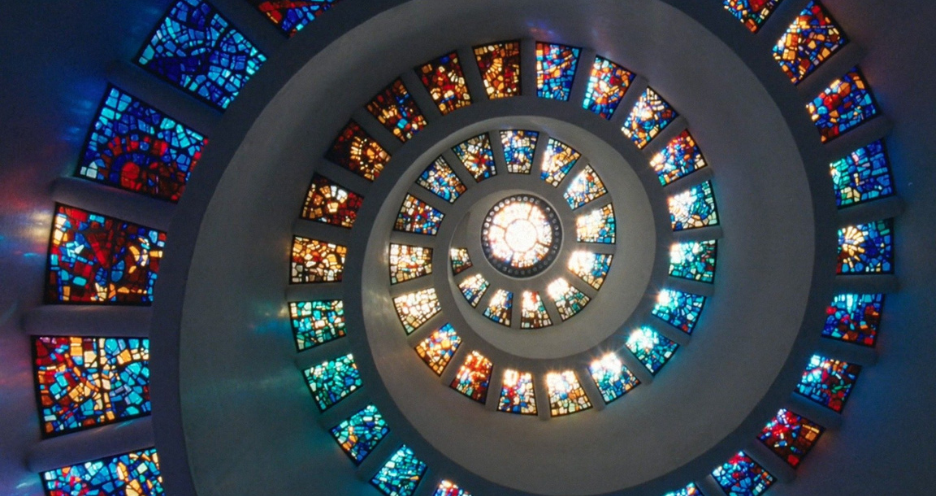
Worm’s eye view is often used to exaggerate height and power, showing the subject from an extremely low position as if seen from the ground.
WHAT IT IS…
The camera is positioned at an extreme low angle. 45 – 90 degrees.
WHY USE IT…
To convey
1) Gargantuan size: no shot better captures how giant a monster or how high a building is than the worm’s eye view.
WHAT CAN GO WRONG
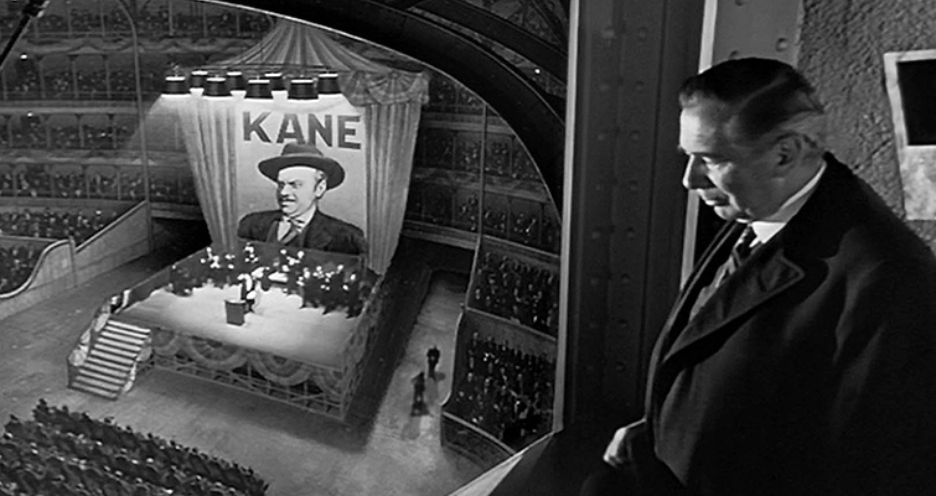
- Be careful about straying too often from the eye level shot – overuse of high and low angles can diminish their emotional effect.
- Try not to adjust camera angle for the sole reason of hiding an ugly feature of the set or location, like low ceilings or equipment.
- You shoot an extreme low angle shot and your actor (plus everyone) hates the look of their chin.
Learning exercise
- You need to speak about shots without thinking in this line of work. Next time you watch a film you have seen before, say out loud the different camera angles as you notice them, and spare a thought for why they were used.
- Find a fellow learner and:
1.
Choose a scene from a film for which you also have a copy of the script AND which you know uses a variety of camera angles.
2.
Swap the scripts.
3.
Plan the camera angles you would use to shoot the scene your fellow gave you.
4.
Together watch and discuss how the director and DP actually shot that scene, and discuss what they did differently and why.