

Act in multiple short films and scene exercises created by filmmaking students, gaining real on-camera experience across different styles and formats.
The 1-Year Acting for Film Program is a full-time, practice-led training for students new to professional acting or transitioning into structured on-camera work for film and TV. You train in an active film-school environment with regular on-camera exercises and collaborative shoots, and you’re actively connected with filmmaking students for casting—creating frequent opportunities to be considered for roles across productions. Across the year, you build industry-standard screen portfolio materials, including a professional self-tape audition with contrasting roles, showreel, and—where available—extra on-camera clips from workshops, films, or other projects to demonstrate range. Training integrates psychological, physical, vocal, and improvisational techniques and includes career-focused guidance for auditions, casting platforms, and progression into advanced training.


Graduate with a professional showreel, filmed scenes, and industry-ready materials for casting platforms and submissions.

Develop strong foundations in acting technique, voice, movement, scene study, and on-camera performance through regular practical training.

Work within an active film school, collaborate with directors and crews, and receive guidance on casting platforms and next steps.
Each semester is structured around two complementary phases that combine structured training with hands-on experience. In the first phase, students follow a regular studio-based schedule focused on foundational on-camera acting skills, filmed scene work, and practical workshops. Training includes technique classes, rehearsal, shooting-based exercises, and guided feedback.
In the second phase, filmmaking students enter their main shooting period and produce a high volume of student film projects across the program (typically around 15 films per semester). Acting students collaborate with filmmaking students on student films; during the shooting period, those not on a project continue with training support and guided practice. Across both phases, the program develops screen performance skills, set workflow understanding, portfolio materials, and career-focused professional development.
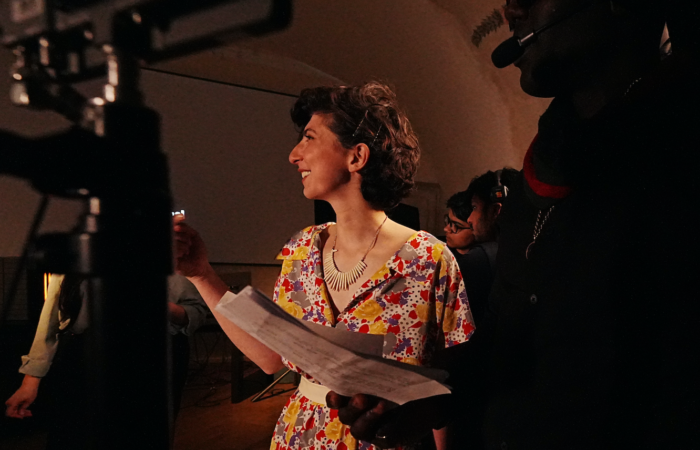
Graduates of this program typically pursue one or more of the following paths:
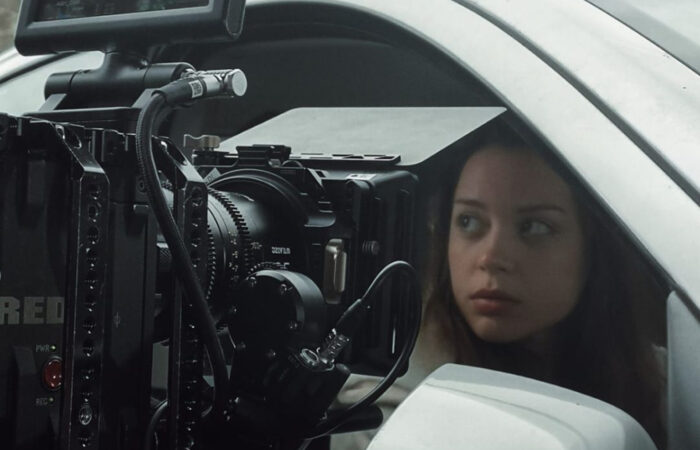
Before the program begins, there are a few essentials to get ready. This section outlines what you’ll need to bring, what is provided by the school, and what to expect in terms of equipment and basic costs.
Click one of our contacts below to chat on WhatsApp
